Park Tool CL-1.2 Chain Lube Review: Is It Worth It?
Park Tool CL-1.2 chain lube review: who it suits, key specs, pros and cons, and alternatives to weigh before you buy a bike chain lubricant.
 By Claire Whitaker
Updated November 9, 2026
 By Claire Whitaker
Updated November 2026
The Park Tool CL-1.2 chain lube is a bicycle-focused lubricant sold in a 4 fl. oz. container, aimed at riders who want a dedicated product for keeping a drivetrain running smoothly rather than a general-purpose spray. It suits cyclists who prefer a brand with a long track record in bike maintenance and who ride in typical road, gravel or commuting conditions. It is less likely to satisfy riders who need a heavy-duty wet-weather formula, who want a self-cleaning lube that requires no degreasing beforehand, or who run an electric bike or motorcycle chain and need a product specifically rated for that load.
Park Tool CL-1.2 Bicycle Chain Lube – 4 fl. oz.
Product Overview
Park Tool is a long-established maker of bicycle repair tools and maintenance products, and its chain lubricant line is widely stocked in bike shops. The CL-1.2 is positioned as a bicycle chain lube, meaning its formula and packaging are built around the roller chains, derailleurs and cassettes found on pedal-powered bikes. The 4 fl. oz. size is a practical volume for an individual rider: enough for many applications across a season without the bulk of a larger bottle.
Within the brand’s lineup, the CL-1.2 sits alongside other lubricants and greases, including the Park Tool PPL-1 Polylube 1000 grease that many mechanics use for bearings and pivot points. Understanding where a chain lube fits in that lineup helps clarify what it is meant to do. A chain lube is a thin, low-viscosity fluid meant to penetrate between chain rollers and pins and then be wiped down so it does not attract excessive grit. A grease, by contrast, is thicker and is meant for bearings, pivots and sliding contacts.
Because this is a research-based review rather than a hands-on report, the observations below draw on the product listing, the manufacturer’s stated positioning and patterns that owners commonly describe in reviews and forums. Treat the points as a guide to what to check, and confirm current packaging and label details on the listing before buying.
Key Features & Specifications
The table below lists the specifications and characteristics that can be stated with reasonable confidence from the product name and listing. Where a detail is not clearly confirmed, it is left out rather than guessed.
| Feature | Details |
|---|---|
| Brand | Park Tool |
| Product type | Bicycle chain lube |
| Model | CL-1.2 |
| Volume | 4 fl. oz. |
| Intended use | Bicycle drivetrains and roller chains |
| Application method | Drip or spray onto chain rollers while the chain is moved through the drivetrain |
| Cleanup | Excess should be wiped from the chain surface after application |
Manufacturers in this category typically specify that chain lubes should be applied sparingly and wiped off after a few minutes, so the lubricant sits in the rollers rather than on the outside of the chain. Check the printed directions on your bottle for the exact procedure, since instructions can change between packaging runs.
Pros & Cons
Pros
- Dedicated bicycle chain formulation rather than a general multi-purpose spray.
- Brand recognized in bike shops and repair stands, which makes it easy to find replacements.
- The 4 fl. oz. volume is a manageable size for a single rider’s regular maintenance.
- Thin consistency suits the drip-and-wipe method most riders use on a road or gravel bike chain.
- Pairs well with a standard drivetrain cleaning routine on a bike.
Cons
- Not positioned as a wet-weather or heavy-duty formula, so riders in persistent rain or mud may need to reapply more often.
- Like most drip-style chain lubes, it still requires a clean chain for best results, and dirt will accumulate faster on a lubed chain.
- Not designed for motorcycle or electric bike chains, which operate under different loads and speeds.
- A 4 fl. oz. bottle may run low for riders who maintain several bikes or ride very frequently.
Performance Analysis
Chain lube performance depends on three things: how well the lubricant penetrates the roller and pin interface, how long it resists being washed or thrown off, and how much dirt it attracts in return. The CL-1.2 is a thin-viscosity lube of the type that generally performs best when applied to a clean chain and allowed to soak in before wiping. Owners of bicycle lubes in this category commonly report that the first application after a thorough degrease gives the quietest, most efficient result, and that the drivetrain becomes noticeably noisier once the lube has been exposed to road spray or grit for a while.
Durability is a common point of discussion. Thin lubes tend to be removed more quickly by wet conditions than thicker or wax-based products, so riders in rainy climates often report reapplying every few rides rather than every few hundred miles. In dry, dusty conditions the picture changes: the lube can pick up sand and grit, which is why the wipe-down step matters. Riders who use a clean rag after each application and remove excess tend to report better long-term behavior than those who leave a heavy coating on the chain.
Noise and efficiency are the other usual questions. A properly lubricated chain is quieter and typically runs with less drag, but the gains are modest and depend heavily on how well the chain was cleaned first. A dirty, gritty chain will feel rough regardless of what lube is applied on top. For this reason, the most consistent owner feedback for any bicycle chain lube, including this one, emphasizes the cleaning routine as much as the product itself.
Because specific performance numbers for this formula are not published in a form that can be confirmed here, the analysis above relies on general characteristics of thin bicycle chain lubes and the feedback patterns commonly seen in owner discussions. If a particular ride condition is critical to you, such as long wet commutes or multi-day rain rides, consider testing a small amount on a single chain before committing to a full maintenance schedule.
Who Should Buy This Product?
The CL-1.2 is a reasonable choice for road, gravel and everyday commuter riders who want a bicycle-specific chain lube from a well-known maintenance brand. It fits naturally into a routine where the chain is cleaned every few hundred miles and relubricated in between. Riders who already use Park Tool tools or grease will find it easy to integrate into an existing workflow.
It is a weaker fit for riders who regularly ride through heavy rain, mud or salt, since those conditions call for a more water-resistant formula. It is also not the right product for motorcycle chains, e-bike chains under heavy motor torque, or any drivetrain that is supposed to be lubricated with a specific compound named in its owner’s manual. In those cases, follow the manufacturer’s recommendation for that vehicle.
Buying Guide
Choosing a chain lube comes down to matching the formula to your riding conditions and your maintenance habits. Start by identifying where you ride most. Dry, dusty trails call for a lube that does not attract heavy grit, while wet commuting calls for a formula that resists being washed off. Next, consider how often you are willing to clean and reapply. Wax-based and dry-film lubes generally need less frequent application in dry weather but require a thorough cleaning before reapplication. Wet lubes are easier to apply and suit most road riding but usually need more frequent attention in rain.
Also consider the rest of your maintenance setup. A chain lube works best alongside a proper degreaser and a chain cleaning tool, and many riders keep a grease such as the Park Tool PPL-1 Polylube 1000 on hand for pivots and bearings rather than for the chain itself. If you want an all-in-one approach to drivetrain care, a dedicated cleaning kit can simplify the process.
Three well-known alternatives are worth comparing. The first is the Park Tool PPL-1 Polylube 1000 Grease Tube, which is a grease for bearings and pivot points rather than a chain lube, so it complements rather than replaces a chain lubricant.
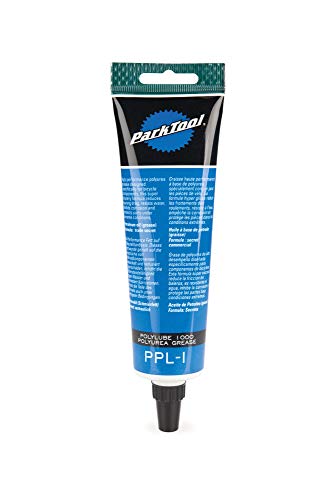
Park Tool PPL-1 Polylube 1000 Grease Tube (4 oz) | Park Tool Polylube 1000 Grease – Moisture-Resistant Bike Maintenance 4oz
The second is a bike chain cleaner kit with degreaser, wet lube and scrubber, which suits riders who want a full drivetrain cleaning routine in one package and do not want to remove the chain for cleaning.

Bike Chain Cleaner Kit, 7-Piece with Degreaser, Lube & Chain Scrubber | Deep Drivetrain Cleaning, No Chain Removal, Bicycle-Safe Formula, 10 oz Degreaser, 2 oz Wet Lube, 5 Cleaning Floss Strips
For further reading, see Wet vs Dry Chain Lube (2026): Which Is Better for Motorcycle Riders? to understand how the two main lube families differ, and Wax Based Chain Lube: 5 Best Picks for Motorcycle Riders (2026) for an overview of wax-based options. Riders comparing thin wet lubes specifically may also find Muc Off Chain Lube Review: Is It Worth It? useful as a point of reference.
FAQ
Is the Park Tool CL-1.2 chain lube suitable for road bikes?
Yes, the product is positioned for bicycle chains, which includes road bikes. Clean the chain first, apply a small amount to the rollers, let it soak briefly and wipe off the excess.
Can I use this lube on a motorcycle chain?
It is not designed for motorcycle chains. Motorcycle chains run under higher loads and speeds, so follow the owner’s manual or the chain manufacturer’s recommendation for those applications.
How often should I reapply chain lube?
There is no universal interval. Riders in wet or gritty conditions usually reapply more often than those riding dry roads. Checking the chain for dryness or dirt buildup is a more reliable guide than a fixed mileage.
Do I need to clean the chain before applying this lube?
Yes, a clean chain gives the best results. Applying fresh lube over grime tends to create a gritty paste that wears the drivetrain faster.
Should I apply a lot of lube to the chain?
No. A small amount applied to the rollers is generally recommended. Excess lube on the outside of the chain attracts dirt and should be wiped away.
Is a grease the same as a chain lube?
No. Chain lubes are thin and penetrate the rollers, while greases are thicker and suit bearings and pivots. Using the wrong product in the wrong place can cause poor performance or buildup.
Where can I get advice on drivetrain maintenance for my specific bike?
Your bike’s owner’s manual and a qualified bike mechanic are the best sources. If you are unsure about the right product for a specific component, ask a professional before applying anything.
Final Verdict
Is the Park Tool CL-1.2 worth buying?
For most road, gravel and commuter cyclists who want a bicycle-specific lube from an established maintenance brand, the CL-1.2 is a sensible, straightforward choice. Its strengths are its dedicated bike formulation and easy availability. Its limitations are the ones shared by most thin chain lubes: it needs a clean chain and regular reapplication, and it is not the right tool for heavy wet weather or non-bicycle chains. If those limitations match your riding, it is worth considering. If you ride through persistent rain or mud, compare it against a wet-weather formula before deciding.
View on AmazonRelated reading
- White Lightning Clean Ride Chain Lube: 3 Best Picks for Motorcycle Riders (2026)
- What Is Smoove Universal Chain Lube and Does It Work? A QA Guide
- Wd40 As Chain Lube: A Practical Guide (2026)
- Wax Lube for Bike Chain: 10 Best Picks Compared (2026)
About Claire Whitaker
Claire Whitaker is part of our editorial team and reviews and edits our motorcycle riding gear guides, checking product details against manufacturer specifications and owner feedback.
About the author
Claire Whitaker writes reviews and buying guides for Max Motorcycle Videos.